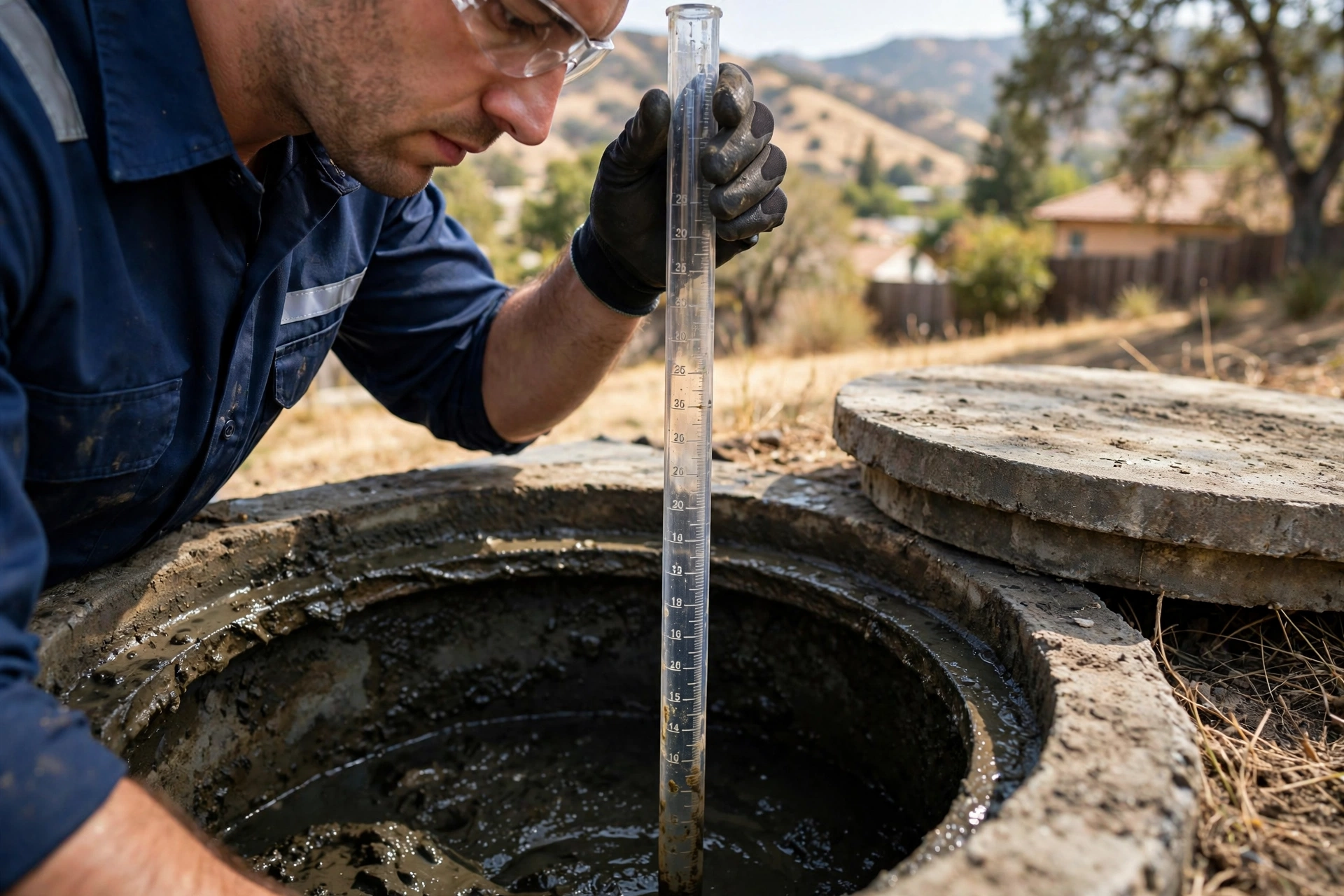
Septic systems are beautifully simple machines — and like all simple machines, they fail when they're ignored. The maintenance is not complicated: pump on schedule, keep the outlet filter clean, watch water use, and check on the field once in a while. The hard part is remembering to do it, and knowing what 'fine' looks like versus 'starting to fail.'
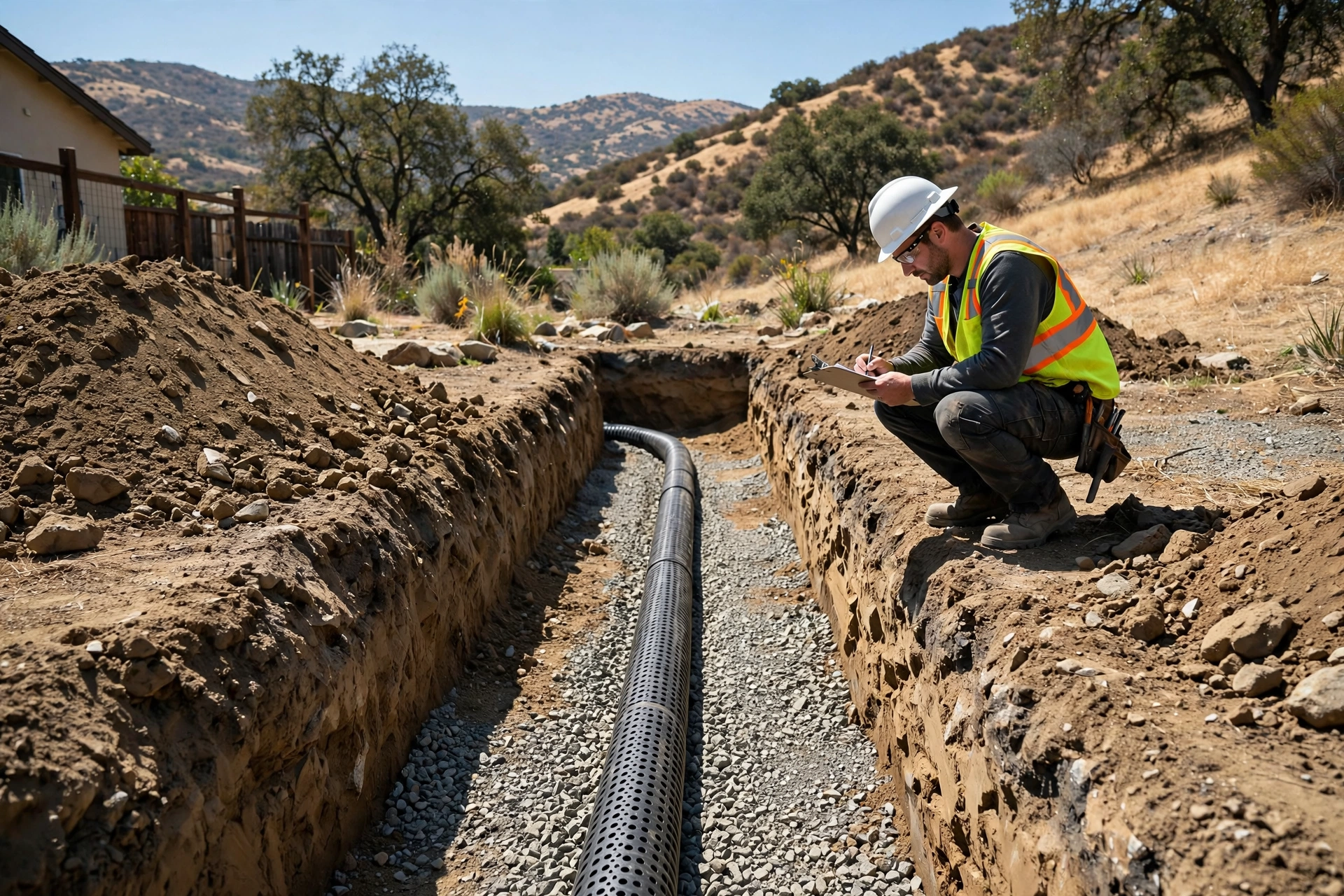
Our maintenance service is a scheduled health check for your system: we measure sludge and scum levels, inspect the tank and baffles, clean or check the outlet filter, walk the drain field for early warning signs, and track everything visit to visit. You get a record of your system's condition over time — which is exactly what a buyer, a lender, or the county asks for when the system matters.
If you've never had your system on a schedule, or you inherited a septic home with no records, call. We'll establish where your system stands and put it on a plan that matches the tank size and household. Maintenance is the best protection a septic system has.
Signs your system needs a maintenance plan
- You don't know when the tank was last pumped
- Your household has grown — more people, more water, same tank
- You've added a garbage disposal since the system was installed
- The system is 20+ years old with no maintenance records
- You've had even one backup or field scare
How our maintenance works
1 Baseline the system
The first visit establishes where things stand: tank size and condition, sludge and scum measurements, outlet filter status, and a drain field walk. This becomes the reference point every future visit is measured against.
2 Pump when the tank says so
We schedule pumpings based on measured solids, not a calendar guess. Some households genuinely need three years; some can go five. The measurements decide — which saves you pumpings you don't need and prevents the ones you can't skip.
3 Check the field every visit
Every maintenance visit includes a drain field walk: checking for surfacing, spongy soil, odors, and changes since last time. Field problems show early signs for months before they surface — if someone's looking.
4 Keep the records
You get dated records of every visit: measurements, findings, and what was done. When you sell, that file answers every question a buyer or inspector asks about the septic.
Maintenance for foothill systems
Monrovia's foothill systems earn their maintenance harder than flat-land ones. Poor-perc soil means the field absorbs less margin for abuse, so a tank that runs slightly overfull here does more damage than the same tank on good soil. Hillside runoff adds sediment to aging fields, and rain-season saturation stresses the whole system every winter. For the older tanks on these lots — concrete from the 60s and 70s, steel from earlier — regular checks catch the slow structural failures before they become sudden ones. A maintenance schedule on a foothill lot isn't fussiness; it's the difference between a system that lasts and one that fails in a wet February.
Need septic maintenance in Monrovia?
One call connects you with a local technician. No forms, no waiting.